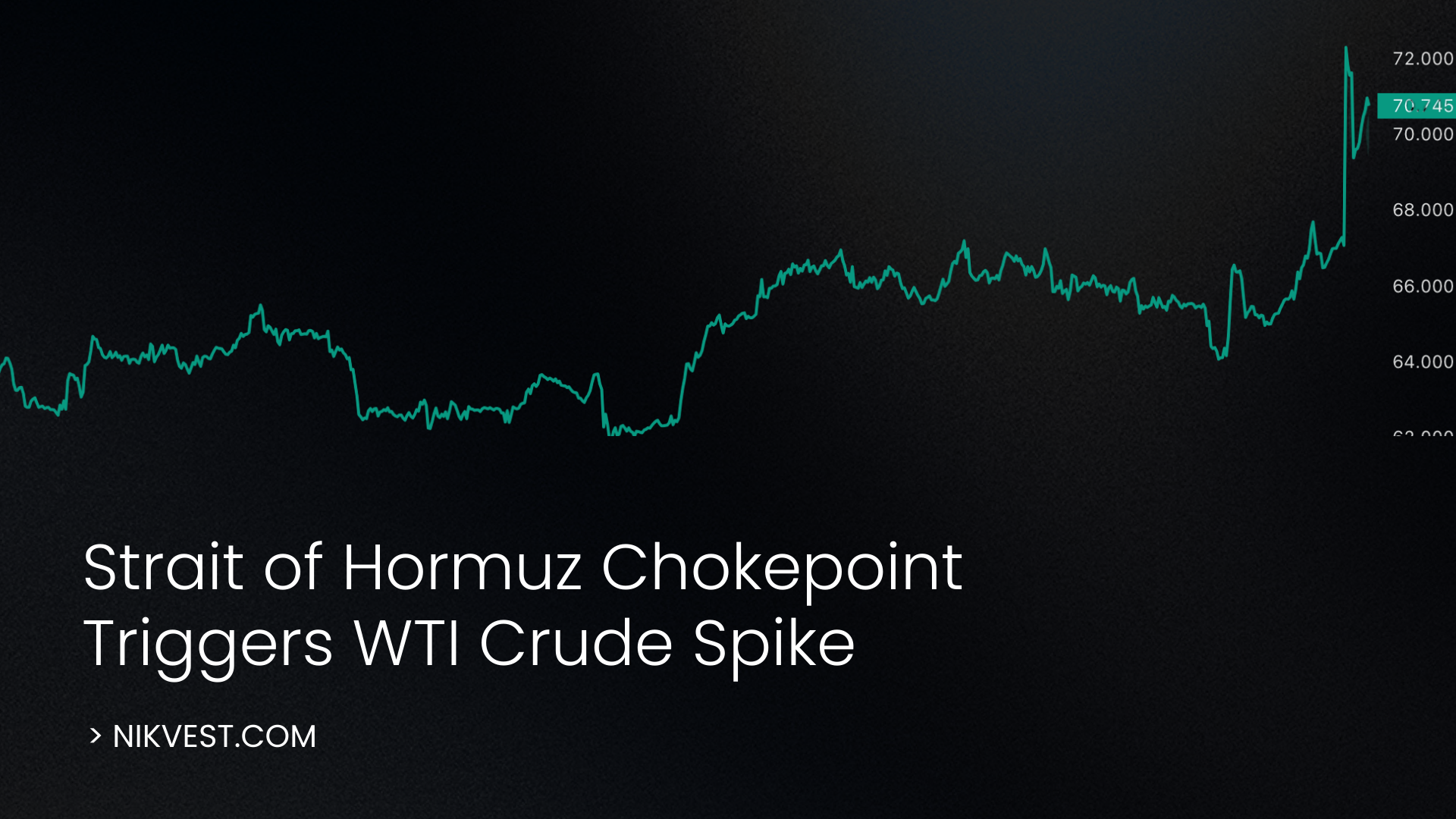
Geopolitical shockwaves have effectively paralyzed transit through the world’s most critical energy artery, sending crude markets into an immediate risk-on frenzy.
Energy markets are waking up to a fat-tail risk scenario as escalating tensions severely disrupt tanker traffic through the Strait of Hormuz. With insurers scrambling and vessels dropping anchor, the structural integrity of global energy flows is being tested in real-time. Brent and WTI crude futures spiked immediately on the March 2 open, largely ignoring OPEC+’s symbolic weekend pledge to raise output by 206,000 bpd in April.
For institutional traders, the immediate focus is differentiating between a classic geopolitical fade and a sustained regime shift. If barrels cannot safely move through the strait, millions of barrels of spare capacity sitting in Saudi Arabia become temporarily irrelevant to the spot market.
“The current number of net long WTI futures contracts is at the lowest level since before 2014, meaning money managers have never had their portfolios less prepared for an uptick in oil prices,” notes an Aberdeen Strategy commodity outlook.
WTI Analysis & Forecast:
The geopolitical risk premium will establish a hard floor for WTI crude at the July 2025 swing high of $70.38.
If the $75 resistance zone is broken on a sustained basis, algorithmic buying will target the April 2024 high of $87.29.
Global freight and maritime insurance costs will surge, introducing immediate upward pressure on headline inflation metrics.
A rapid diplomatic de-escalation will trigger aggressive short-selling as the immediate supply shock premium evaporates.
The financial services industry is at a pivotal moment as we move into 2025, with marketing strategies evolving rapidly to meet the demands of a tech-savvy, value-driven, and increasingly discerning customer base. From AI-powered personalization to sustainability-focused campaigns, the next five years promise transformative shifts that will redefine how financial institutions connect with their audiences
In 2025, community marketing has become the heartbeat of brand loyalty, transforming how businesses connect with their audiences. It’s no longer enough to sell a product; brands must foster genuine relationships, create spaces for interaction, and align with customer values to thrive.
This 20-section guide, tailored for Shopify store owners, developers, and e-commerce enthusiasts, provides comprehensive strategies, 2025 trends, and practical tools to transform your store into a premium asset.
Thinking about investing in a Persian carpet? These stunning pieces, with their jaw-dropping designs and top-notch craftsmanship, can be a smart buy if you play your cards right.