















Welcome to the definitive guide on mastering Fair Value Gaps (FVGs) and ChoCH trading for consistent forex profits. In the intricate world of forex trading, where market structure and price action reign supreme, few concepts offer the clarity and precision of combining Fair Value Gaps with a Change of Character. This powerful synergy provides traders with a high-probability framework to identify market imbalances and pinpoint potential reversals with remarkable accuracy. Whether you are a beginner seeking a robust strategy or an advanced trader looking to refine your edge, this article will equip you with a comprehensive understanding of this dynamic duo.
A Fair Value Gap (FVG), also known as a price imbalance or inefficiency, is a three-candle formation that signals a rapid, one-sided move in the market, leaving behind a gap that price is likely to revisit. These gaps represent areas where buying and selling were not delivered efficiently, creating a magnetic pull for future price action. On the other hand, a Change of Character (ChoCH) is a crucial market structure signal that indicates the first potential shift in momentum from a bullish trend to a bearish one, or vice versa. It’s the market whispering that the dominant force is losing control.
Individually, both FVGs and ChoCH are potent tools. However, when combined, they create a trading confluence that is greater than the sum of its parts. A ChoCH signals a potential reversal, and a subsequent FVG within that new directional leg provides a precise, high-probability area to enter the trade. This combination filters out noise, reduces false signals, and allows traders to participate in significant market moves right from their inception. This is the core of a successful FVG strategy in forex.
This exhaustive article will dissect this powerful trading methodology across 25 key sections. We will journey from the foundational anatomy of FVGs and the psychology behind market shifts to advanced multi-timeframe analysis, risk management protocols, and real-world case studies. Our goal is to provide you with an actionable, step-by-step blueprint for achieving forex trading profits with FVG and ChoCH confirmation.
Your Roadmap to Mastering FVG + ChoCH Trading
This article is structured to build your knowledge progressively. Here are the 25 key sections we will cover to transform you into a proficient FVG and ChoCH trader:
- Section 1: The Anatomy of a Fair Value Gap (FVG): Beyond the Three-Candle Pattern
- Section 2: Understanding Change of Character (ChoCH): The First Signal of a Reversal
- Section 3: The Psychology Behind FVGs: Why Imbalances Must Be Filled
- Section 4: The Psychology Behind ChoCH: The Shift from Strong to Weak Hands
- Section 5: The Golden Synergy: Why FVG + ChoCH is a High-Probability Duo
- Section 6: The Classic Bullish FVG + ChoCH Entry Model: A Step-by-Step Guide
- Section 7: The Classic Bearish FVG + ChoCH Entry Model: Capturing Tops
- Section 8: Identifying High-Probability FVGs: Size, Location, and Context
- Section 9: Validating Your ChoCH: Volume, Momentum, and Structure
- Section 10: Entry, Stop Loss, and Take Profit Strategy for FVG + ChoCH Setups
- Section 11: Multi-Timeframe Analysis: Aligning HTF Bias with LTF FVG + ChoCH Entries
- Section 12: The Role of Liquidity: Sweeps, Grabs, and Inducement before the ChoCH
- Section 13: Combining FVG + ChoCH with Order Blocks for Pinpoint Entries
- Section 14: Navigating Premium vs. Discount Arrays for Optimal FVG Selection
- Section 15: Differentiating Between a ChoCH and a Simple Pullback (The BOS vs. ChoCH Dilemma)
- Section 16: Advanced Risk Management for FVG + ChoCH Traders: R:R and Position Sizing
- Section 17: The Psychology of Waiting: How to Patiently Wait for the FVG Fill After a ChoCH
- Section 18: Handling Losing Trades: What to Do When an FVG Fails to Hold
- Section 19: Backtesting Your FVG + ChoCH Strategy: A Practical Framework
- Section 20: Building a Trading Plan Around Fair Value Gaps and ChoCH
- Section 21: Case Study 1: A Winning EUR/USD Trade Using Bullish FVG + ChoCH
- Section 22: Case Study 2: A Losing GBP/JPY Trade and the Lessons Learned
- Section 23: Trading FVG + ChoCH During High-Impact News Events
- Section 24: Adapting the FVG + ChoCH Strategy for Different Forex Pairs
- Section 25: The Path to Mastery: Journaling, Review, and Continuous Improvement in ChoCH Trading
Let’s begin this journey to unlock the potential of Fair Value Gaps (FVGs) and elevate your ChoCH trading skills.
1. The Anatomy of a Fair Value Gap (FVG): Beyond the Three-Candle Pattern
At its core, a Fair Value Gap (FVG) is a specific three-candlestick pattern that indicates a significant market inefficiency or imbalance. This imbalance is created when price moves aggressively in one direction, leaving a void in the market where fair trade did not occur. Understanding its precise structure is the first step toward leveraging this powerful concept.
An FVG is identified by looking at three consecutive candles:
- Candle 1: The first candle in the sequence.
- Candle 2: The middle candle, which is typically large and impulsive, showing strong momentum.
- Candle 3: The final candle in the sequence.
A Bullish FVG is formed when the high of Candle 1 does not overlap with the low of Candle 3. The space between the high of Candle 1 and the low of Candle 3 is the FVG. This signifies that in the aggressive move up (Candle 2), sell-side liquidity was not adequately offered.
A Bearish FVG is formed when the low of Candle 1 does not overlap with the high of Candle 3. The space between the low of Candle 1 and the high of Candle 3 is the FVG. This implies that during the aggressive move down (Candle 2), buy-side liquidity was lacking.
Why is this more than just a pattern? The significance of an FVG lies in the algorithm that drives market prices. This algorithm, often referred to as the Interbank Price Delivery Algorithm (IPDA), seeks efficiency. An FVG represents a pocket of inefficiency. The algorithm is programmed to revisit these areas to “rebalance” price, meaning it needs to go back and offer trades at the price levels that were skipped during the impulsive move.
Key characteristics of an FVG:
- Impulsive Move: FVGs are almost always created by a strong, high-momentum candle (Candle 2).
- Visible Gap: The visual space between the wicks of Candle 1 and Candle 3 is the defining feature.
- Magnetic Zone: Once formed, an FVG acts as a magnet for price. Price will often retrace back into this zone before continuing its intended direction.
To effectively use an FVG, you must look beyond the simple pattern and understand the story it tells: a story of aggressive market participation, a lack of counter-orders, and an algorithmic imperative to return and restore balance. This understanding is foundational to building a profitable FVG strategy in forex.
2. Understanding Change of Character (ChoCH): The First Signal of a Reversal
While an FVG points to where a potential trade might occur, a Change of Character (ChoCH) tells you when the market’s intention might be shifting. A ChoCH is the earliest sign that a prevailing trend is losing steam and a reversal could be imminent. It’s a fundamental concept in market structure analysis and a cornerstone of effective ChoCH trading.
In a trending market, price makes a series of higher highs (HH) and higher lows (HL) in an uptrend, or lower lows (LL) and lower highs (LH) in a downtrend.
- Uptrend Structure: Price breaks previous highs (a Break of Structure, or BOS) and respects previous lows.
- Downtrend Structure: Price breaks previous lows (BOS) and respects previous highs.
A ChoCH occurs when this established pattern is violated for the first time.
- Bearish ChoCH: In a clear uptrend (making HH and HL), a Bearish ChoCH occurs when the price breaks below the most recent higher low (HL). This is the first indication that sellers are stepping in with enough force to break a key structural point that was previously holding.
- Bullish ChoCH: In a clear downtrend (making LL and LH), a Bullish ChoCH occurs when the price breaks above the most recent lower high (LH). This signals that buyers are finally strong enough to overcome a key resistance level that was previously holding the downtrend in place.
Why is a ChoCH significant? A ChoCH is not a guarantee of a full-blown trend reversal, but it is a critical piece of evidence. It signifies a shift in order flow. In a Bearish ChoCH, it shows that sell orders have overwhelmed the buy orders that were defending the last higher low. In a Bullish ChoCH, it shows that buy orders have absorbed all the sell orders at the last lower high.
This “change of character” is your cue to stop looking for trades in the direction of the old trend and start looking for opportunities in the new, emerging direction. When you see a ChoCH, you should be asking: “Where can I enter a trade in the direction of this new momentum?” This is precisely where Fair Value Gaps (FVGs) come into play, providing the perfect entry point after the market has shown its hand.
3. The Psychology Behind FVGs: Why Imbalances Must Be Filled
To truly master Fair Value Gaps (FVGs), we must move beyond the technical pattern and delve into the market psychology and mechanics that cause them and compel them to be filled. An FVG is not a random occurrence; it’s a footprint left by large, institutional players executing orders with such speed and volume that the market cannot keep up.
Imagine a large institutional bank needing to buy a massive amount of EUR/USD. They can’t just place one giant order, as that would cause massive slippage and alert the market. Instead, their algorithms break the order into smaller pieces and execute them rapidly. If their buying is aggressive enough, it will consume all available sell orders at several price levels almost instantaneously. This creates the powerful, impulsive “Candle 2” in our FVG pattern.
During this aggressive buying, the market moves up so quickly that there’s no time for a normal two-sided auction to take place. Sellers don’t have a chance to come in and offer their positions at every single price point. This creates the “gap” or “inefficiency”—price levels with pending buy orders that were never matched with sell orders. This is the core of the market imbalance.
Why does price return to the FVG? The market’s primary function is to facilitate trade efficiently. An FVG is, by definition, an area of inefficiency. The market algorithm (IPDA) is designed to seek out and repair these inefficiencies for several reasons:
- To Mitigate Institutional Risk: The same institutions that created the imbalance may need to hedge or partially close their positions. To do so without moving the market against themselves, their algorithms will often drive the price back into the inefficiently priced area (the FVG) where they can execute these orders at a more favorable “fair value” price.
- To Pick Up Unfilled Orders: Other market participants, both retail and institutional, had limit orders sitting within the price range that was skipped over. The algorithm will often bring the price back to these levels to trigger those pending orders, which adds liquidity to the market.
- To Restore Algorithmic Balance: Think of the price delivery algorithm as a self-correcting system. It recognizes the FVG as a “mistake” or a void in its data stream. It has a directive to “rebalance” the ledger by trading back through that area, ensuring a complete and efficient price ladder.
When you see an FVG, you are not just seeing a pattern; you are seeing evidence of institutional footprints. The subsequent retracement to fill that FVG is the market’s natural, algorithmic process of cleaning up after the big players. This understanding is what gives traders the confidence to place an entry order within an FVG, anticipating this rebalancing act. This psychological insight is crucial for unlocking forex trading profits with FVG.

4. The Psychology Behind ChoCH: The Shift from Strong to Weak Hands
A Change of Character (ChoCH) is more than just a break of a market structure point; it’s a narrative of a psychological battle between different classes of traders, specifically the “strong hands” (informed, institutional money) and the “weak hands” (uninformed, retail, or herd-mentality traders). Understanding this dynamic is key to mastering ChoCH trading.
Let’s consider a well-established uptrend. As the price makes higher highs and higher lows, confidence among retail traders grows. They see the trend and jump on board, buying at higher and higher prices. These are often the “weak hands” because they are late to the trend and are buying based on emotion (FOMO – Fear Of Missing Out) rather than a deep understanding of market dynamics. They place their stop losses below recent swing lows (the higher lows).
Meanwhile, the “strong hands” (smart money) who initiated the trend much earlier are looking to take profits. Where is the best place for them to sell their large long positions? They need a large pool of buyers to sell to. This pool of buy orders is most concentrated where the weak hands are buying enthusiastically—at or near the top of the trend.
The Execution of the Reversal:
- Inducement: Smart money may first push the price to a new high, encouraging even more breakout traders (weak hands) to buy. This move, which often looks like a continuation, is designed to gather liquidity.
- The Attack: Once enough buy orders are in the market, the smart money begins to unload their long positions and initiate short positions. Their immense selling pressure easily absorbs the incoming buy orders and starts pushing the price down.
- The ChoCH: The price falls with momentum and breaks below the most recent higher low. This is the ChoCH. What happens at this point is psychologically significant. All the weak hands who bought the top or during the last leg up, and who had their stop losses placed below that higher low, are now stopped out. A stop loss on a buy position is a sell order. This flood of automatic sell orders adds massive fuel to the downward move, accelerating the reversal.
A ChoCH, therefore, represents the moment the trap is sprung. It’s the point on the chart where the control visibly shifts from the late buyers (weak hands) to the profit-taking and reversing sellers (strong hands). It’s a signal that the underlying sentiment has fundamentally changed.
When you identify a ChoCH, you are recognizing this critical shift in power. You are aligning yourself with the smart money’s new intention. This psychological framework provides the conviction needed for effective ChoCH confirmation, allowing you to trade with the dominant force rather than against it.
5. The Golden Synergy: Why FVG + ChoCH is a High-Probability Duo
We’ve established that Fair Value Gaps (FVGs) represent where the market is likely to revisit, and a Change of Character (ChoCH) signals when the market’s intention is shifting. The true power—the golden synergy—emerges when you combine them. This combination creates a complete, logical, and high-probability trading narrative that filters out substandard setups and enhances your trading edge.
Let’s walk through the sequence of a perfect bearish setup:
- The Context (Uptrend): The market is in a clear uptrend, making higher highs and higher lows. This draws in retail buyers chasing the momentum.
- The Liquidity Grab (Optional but Powerful): Price pushes to a new high, often just barely, inducing breakout traders to buy and sweeping the stops of early shorters.
- The Shift (ChoCH): Smart money unloads their positions, and the selling pressure is so intense that price aggressively breaks below the most recent higher low. This is your ChoCH confirmation. The market has shown its hand. The previous uptrend structure is now invalid.
- The Imbalance (FVG): This aggressive move down that caused the ChoCH almost always leaves behind one or more FVGs. This impulsive leg is evidence of the smart money’s aggressive selling, leaving an area of inefficiency.
- The Entry Opportunity: The market has now signaled a change in direction (ChoCH) and has left behind a “magnet” for price (the FVG). The highest probability trade is now to wait for the price to retrace back up into the FVG created during the ChoCH leg. This retracement is the market rebalancing the inefficiency before continuing its new downward path.
Why this combination is so powerful:
- Logic and Narrative: It’s not just two patterns on a chart. It tells a complete story: the old trend died (ChoCH), a new powerful force has entered (the impulsive move), leaving behind a footprint (the FVG), and we are simply waiting for a logical pullback to that footprint to join the new move.
- Filters Out Noise: You are no longer randomly trading every FVG you see. You are only interested in FVGs that are formed as a direct result of a significant market structure shift (a ChoCH). This immediately disqualifies countless lower-probability FVGs.
- Provides a Clear Entry, Stop, and Target:
- Entry: Within the FVG (often at the 50% level, known as the “consequent encroachment”).
- Stop Loss: Just above the high of the swing that created the ChoCH. This is a structurally protected and logical place for a stop.
- Take Profit: The next major swing low or area of liquidity.
- Favorable Risk-to-Reward: Because the entry is on a retracement and the stop is placed at a logical structural point, these setups often offer excellent risk-to-reward ratios, frequently exceeding 1:3 or more.
This methodical approach elevates your trading from pattern recognition to a deep understanding of market mechanics. The FVG + ChoCH duo is the cornerstone of a professional-grade FVG strategy in forex, providing a repeatable and logical framework for extracting profits from the market.
6. The Classic Bullish FVG + ChoCH Entry Model: A Step-by-Step Guide
The Bullish FVG + ChoCH model is your blueprint for catching the beginning of a potential new uptrend. It’s a reversal pattern designed to get you into a long position after a downtrend has shown its first sign of exhaustion. Following these steps methodically is crucial for executing this high-probability setup.
The Market Environment: The setup begins with a clear downtrend. The price is making a series of lower lows (LL) and lower highs (LH). Your mindset should be bearish or neutral, waiting for a reason to switch your bias.
Here is the step-by-step process for a classic bullish entry:
Step 1: Identify a Clear Downtrend Market Structure Look for a visible sequence of lower highs and lower lows on your chosen timeframe. Each time the price breaks a low, it’s a Break of Structure (BOS) to the downside, confirming the bearish trend.
Step 2: Wait for a Bullish Change of Character (ChoCH) This is the most critical step. You must wait for the price to break above the most recent, significant lower high (LH). This action invalidates the bearish structure and is your first signal that buyers are stepping in with significant force. This is your ChoCH confirmation.
Step 3: Identify the Fair Value Gap (FVG) within the ChoCH Leg The impulsive move that broke the lower high (the ChoCH) will often be powerful. Look within this upward leg for a bullish FVG. Remember, this is the gap between the high of the first candle and the low of the third candle in a three-candle sequence. This FVG was created by the aggressive buying that caused the ChoCH.
Step 4: Wait for Price to Retrace into the FVG Patience is key. After the ChoCH, the price will usually pull back. Do not chase the initial breakout. Your entry plan is to wait for the price to trade back down into the FVG you identified in Step 3. This is the market rebalancing itself before the potential next leg up.
Step 5: Execute Your Entry You have several options for entry:
- Aggressive Entry: Enter a buy order as soon as the price touches the top of the FVG.
- Standard Entry: Enter at the 50% level of the FVG (the “consequent encroachment”). This often provides a better risk-to-reward ratio.
- Confirmation Entry: Wait for a bullish candlestick pattern (like a hammer or engulfing candle) to form within the FVG on a lower timeframe before entering.
Step 6: Set Your Stop Loss and Take Profit
- Stop Loss: Place your stop loss just below the swing low that was formed right before the impulsive move up that created the ChoCH. This is a structurally sound location.
- Take Profit: Your first target should be the next major swing high or area of liquidity to the upside. You can also use Fibonacci extension levels or trail your stop loss to capture a larger move.
By following this six-step model, you create a structured, repeatable process for your ChoCH trading. This bullish setup ensures you are trading with confirmed momentum, entering at a logical price point, and have a clear invalidation level for your trade idea.

7. The Classic Bearish FVG + ChoCH Entry Model: Capturing Tops
The Bearish FVG + ChoCH model is the mirror image of the bullish setup and is your primary tool for identifying and trading potential market tops. This strategy allows you to enter a short position as a previously strong uptrend begins to falter. A disciplined approach to this model is essential for success.
The Market Environment: This setup starts in a clear, established uptrend. The price is creating a series of higher highs (HH) and higher lows (HL). Your bias is bullish or neutral, but you are vigilant for the first signs of weakness.
Here is the step-by-step process for a classic bearish entry:
Step 1: Identify a Clear Uptrend Market Structure Observe a clear pattern of higher highs and higher lows on your chart. Each break of a previous high is a bullish Break of Structure (BOS), confirming the strength of the uptrend.
Step 2: Wait for a Bearish Change of Character (ChoCH) This is the pivotal moment. You must wait patiently for the price to break below the most recent, significant higher low (HL). This action signifies that sellers have overwhelmed the buyers who were defending that structural point. This is your definitive ChoCH confirmation that the uptrend’s integrity is compromised.
Step 3: Identify the Fair Value Gap (FVG) within the ChoCH Leg The aggressive downward move that broke the higher low (the ChoCH) is where you will find your entry zone. Scan this bearish leg for a bearish FVG—the space between the low of the first candle and the high of the third candle. This imbalance was left behind by the forceful selling that caused the market structure shift.
Step 4: Wait for Price to Retrace into the FVG Do not short the breakdown. The professional approach is to wait for the market to retrace. Price will often pull back up into the FVG identified in Step 3 to rebalance the inefficiency before continuing its new downward trajectory. This is your high-probability entry zone.
Step 5: Execute Your Entry Choose your entry tactic:
- Aggressive Entry: Place a sell order as soon as the price touches the bottom of the FVG.
- Standard Entry: Enter your short position at the 50% level of the FVG (consequent encroachment) for an improved risk profile.
- Confirmation Entry: Drop to a lower timeframe and wait for a bearish candlestick pattern (like a shooting star or bearish engulfing) to form inside the FVG before entering.
Step 6: Set Your Stop Loss and Take Profit
- Stop Loss: Your stop loss must be placed just above the swing high that was formed right before the aggressive sell-off that created the ChoCH. This is your clear invalidation point.
- Take Profit: Your primary target should be the next significant swing low or a pool of liquidity below. Trailing your stop or setting multiple profit targets (TP1, TP2) are also viable strategies.
Mastering this bearish model is fundamental to a complete FVG strategy in forex. It provides a clear, logical framework for shorting the market from a position of strength, right after the first signal of weakness has appeared.
8. Identifying High-Probability FVGs: Size, Location, and Context
Not all Fair Value Gaps (FVGs) are created equal. An essential skill for any trader using this methodology is the ability to differentiate between a high-probability FVG that is likely to be respected by price and a low-probability one that may be ignored or traded through. This discernment comes from analyzing three key factors: Size, Location, and Context.
1. Size: The Goldilocks Principle The size of the FVG matters.
- Too Small: A very small, insignificant FVG might not have enough “magnetic” pull to draw the price back. It could indicate a weak, non-committal move and may be easily ignored.
- Too Large: An extremely large FVG, spanning a huge price range, can be problematic. It creates a very wide entry zone, forcing you to use a much larger stop loss, which in turn reduces your potential risk-to-reward ratio. While price might still react to it, the trade parameters can become unfavorable.
- Just Right: The ideal FVG is well-defined, clear on the chart, and of a moderate size relative to the recent price action (Average True Range). It’s large enough to signify a real imbalance but small enough to provide a precise entry zone and allow for a tight stop loss.
2. Location: Where the FVG Forms The location of the FVG within the broader market structure is paramount.
- FVG after a ChoCH: As we’ve discussed, this is the highest probability location. An FVG created by the same move that caused a ChoCH is a direct consequence of the force that shifted the market structure. This is the A+ setup.
- FVG within a Premium/Discount Zone: In a new downtrend (after a bearish ChoCH), you want to sell from an FVG located in a “premium” area (above the 50% equilibrium level of the swing). In a new uptrend (after a bullish ChoCH), you want to buy from an FVG in a “discount” area (below the 50% equilibrium level). We will cover this in detail in a later section.
- FVG after a Liquidity Sweep: An FVG that forms immediately after price has swept a key high or low (taking out stops) is extremely powerful. The liquidity grab often fuels the impulsive move that creates the imbalance.
3. Context: The Broader Narrative Context refers to the overall market environment and higher timeframe bias.
- Pro-Trend vs. Counter-Trend: Is the FVG + ChoCH setup on your trading timeframe aligned with the trend on the daily or 4-hour chart? A setup that aligns with the higher timeframe bias carries a much higher probability of success. A 15-minute bullish FVG+ChoCH setup is far more likely to work if the daily chart is also in a clear uptrend.
- Time of Day: In forex, FVGs formed during high-volume sessions (like the London or New York open) tend to be more significant and reliable than those formed during the quiet Asian session. The volume confirms the institutional participation that creates genuine imbalances.
- News and Events: Was the FVG created due to a high-impact news release? While these can be powerful, they can also be volatile and unpredictable. It’s often wiser to trade FVGs formed during normal market flow.
By systematically evaluating every potential FVG against these three pillars—Size, Location, and Context—you can dramatically increase your strike rate and focus only on the most promising setups. This analytical filter is a hallmark of a professional approach to ChoCH trading.
9. Validating Your ChoCH: Volume, Momentum, and Structure
A Change of Character (ChoCH) is a powerful signal, but it can sometimes be a false one—a “fake-out” designed to trap traders before the original trend resumes. To avoid these traps, you need to validate the authenticity of the ChoCH. A true, high-quality ChoCH is confirmed by evidence of Volume, Momentum, and a Clear Structural Break.
1. Momentum: The Character of the Candles The way the market breaks the structure point tells you a lot about the intention behind the move.
- A Valid ChoCH: A high-probability ChoCH is typically caused by one or more large, impulsive candles that slice through the key higher low (for a bearish ChoCH) or lower high (for a bullish ChoCH) with ease. There should be little to no hesitation or wicking. The candle should close decisively beyond the structure point, not just wick past it. This shows aggression and commitment from the new market participants.
- A Weak ChoCH: If the price struggles to break the structure point, forming dojis, pin bars, or multiple small candles, be suspicious. If it just barely pokes through and then immediately reverses, it was likely a liquidity grab or “stop hunt,” not a genuine change in character. The lack of momentum signals a lack of conviction.
2. Volume: The Fuel Behind the Move Volume is a critical validation tool. While volume in retail forex can be tricky (as it’s often tick volume), it still provides valuable clues.
- Increasing Volume: A genuine ChoCH should be accompanied by a noticeable increase in volume. This confirms that there is significant participation behind the move. High volume on the breakout candle(s) indicates that a large number of transactions are taking place, supporting the idea of a real shift in order flow (e.g., smart money unloading positions).
- Decreasing Volume: If the market structure breaks on low or declining volume, it’s a major red flag. This suggests a lack of interest and participation, making it much more likely that the break is a false move that will quickly reverse.
3. Structural Clarity: The Importance of the Pivot The significance of the structural point being broken is also crucial.
- A Major, Well-Defined Pivot: A ChoCH is more reliable when it breaks a clear, obvious, and significant swing point (HL or LH) that many traders are watching. The more significant the pivot, the more significant the break. A break of a tiny, minor intra-swing point is not a true ChoCH.
- Inducement First: The most powerful ChoCH setups often occur after price has first created “inducement”—a smaller, tempting pullback that encourages traders to enter in the direction of the original trend. When price then sweeps past this inducement point and breaks the true major pivot, the ChoCH is of much higher quality.
By demanding this trifecta of confirmation—strong momentum candles, increasing volume, and a clear break of a significant structural point—you can greatly improve the reliability of your ChoCH confirmation. This rigorous validation process helps you to avoid common traps and ensures you are only acting on the most credible signals of a market reversal.
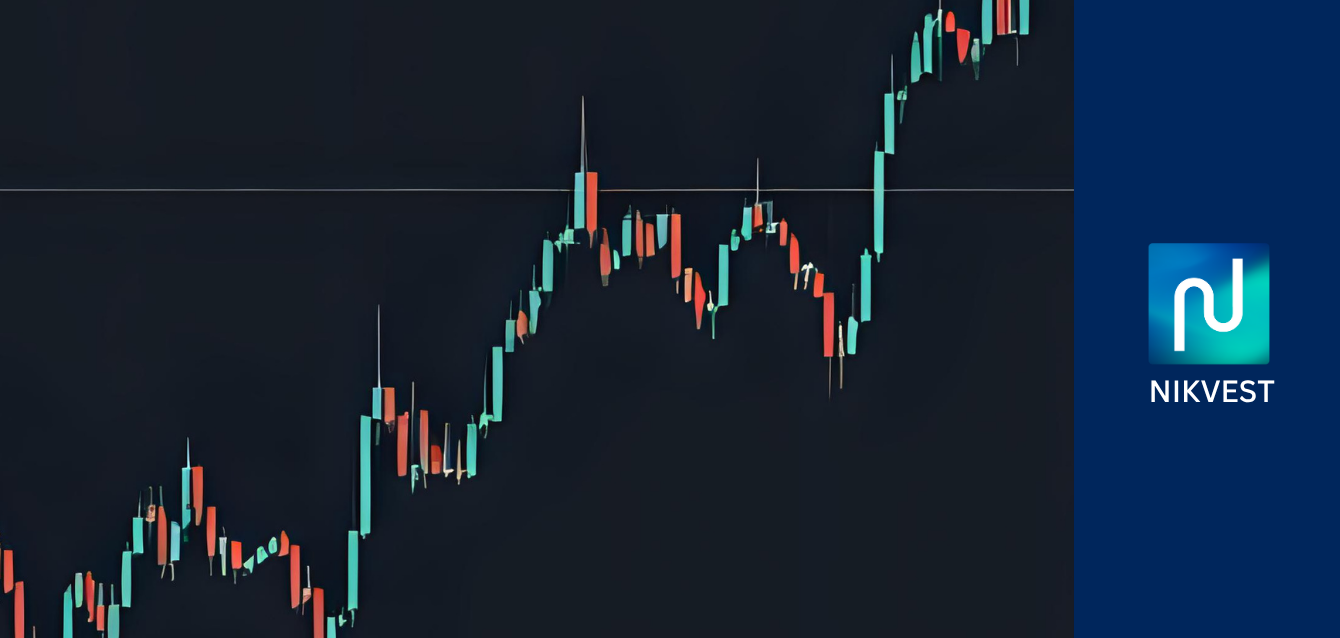
10. Entry, Stop Loss, and Take Profit Strategy for ChoCH + FVG Setups
A solid trading idea is worthless without a precise and disciplined execution plan. For the Fair Value Gap (FVG) and ChoCH trading strategy, your plan for entry, stop loss, and take profit must be defined before you ever place a trade. This mechanical approach removes emotion and ensures consistency.
Entry Strategy: Precision is Key Once you have your ChoCH and have identified a valid FVG in a premium or discount zone, you need to decide exactly where to enter.
- Zone Entry: Place a limit order at the edge of the FVG closest to the current price.
- Bullish: Buy limit at the top of the FVG.
- Bearish: Sell limit at the bottom of the FVG.
- Pros: Ensures you get into the trade if price only briefly touches the FVG.
- Cons: Offers the worst risk-to-reward (R:R) ratio of the entry options.
- 50% (Consequent Encroachment) Entry: Place a limit order at the 50% midline of the FVG.
- Pros: Provides a much better R:R ratio, as your entry price is more favorable. It’s a common area for algorithms to target.
- Cons: Price may sometimes react to the edge of the FVG and not reach the 50% level, causing you to miss the trade.
- Lower Timeframe (LTF) Confirmation Entry: Wait for the price to enter the higher timeframe (HTF) FVG, then drop to a lower timeframe (e.g., from 15-min to 1-min). On the LTF, wait for another ChoCH + FVG setup to form in your intended direction.
- Pros: Offers the highest precision and confirmation, leading to very tight stop losses and massive R:R potential.
- Cons: The most complex entry method, and you may miss many moves if the LTF confirmation doesn’t materialize perfectly.
Stop Loss Placement: Your Invalidation Point Your stop loss should not be based on an arbitrary number of pips. It must be placed at a logical structural level that, if broken, invalidates your entire trade idea.
- The Golden Rule: Place your stop loss just beyond the swing point that initiated the ChoCH move.
- For a bearish setup (short): The stop loss goes a few pips above the swing high that was formed right before the downward break of structure. If the price goes back above this high, the bearish intention is nullified.
- For a bullish setup (long): The stop loss goes a few pips below the swing low that was formed right before the upward break of structure. If the price breaks this low, the bullish idea is invalid.
[Image showing correct stop loss placement for FVG + ChoCH setups]
Take Profit Strategy: Securing Your Gains Your take profit targets should also be based on market structure, not wishful thinking.
- Target 1 (Conservative): The Next Major Liquidity Pool. Your first target should always be the most obvious, nearest major swing low (for shorts) or swing high (for longs). This is an area where opposing orders are likely to be waiting. It’s a high-probability place to take partial or full profits.
- Target 2 (Extended): Higher Timeframe Objectives. Look at the higher timeframe chart. Where is the next major area of supply or demand? Where is the next major FVG that needs to be filled? These can serve as logical secondary or tertiary targets for your trade.
- Trailing Stop: For trades that show strong momentum, you can use a trailing stop (e.g., trailing behind the low/high of the previous candle or a moving average) to let your profits run while protecting your gains.
A well-defined execution plan is a non-negotiable part of any serious FVG strategy in forex. It turns a good idea into a professional, systematic process for achieving consistent forex trading profits with FVG.
11. Multi-Timeframe Analysis: Aligning HTF Bias with LTF FVG + ChoCH Entries
Single-timeframe analysis can be misleading. A setup that looks like a perfect reversal on the 15-minute chart might just be a minor pullback within a powerful trend on the 4-hour chart. The secret to dramatically increasing the probability of your FVG + ChoCH trades is to ensure they align with the story being told on the higher timeframes (HTF). This is the essence of multi-timeframe analysis.
The Top-Down Approach The professional workflow always starts from the top and works down. A common and effective combination is:
- HTF (Directional Bias): Daily or 4-Hour (H4) chart.
- MTF (Setup/Structure): 1-Hour (H1) or 15-Minute (M15) chart.
- LTF (Entry/Refinement): 5-Minute (M5) or 1-Minute (M1) chart.
Step-by-Step Implementation:
Step 1: Establish Your Higher Timeframe (HTF) Bias Start with your Daily or H4 chart. Your only goal here is to determine the overall market direction.
- Is the HTF bullish? Is the price making clear higher highs and higher lows? If so, your primary bias is to look for buying opportunities only.
- Is the HTF bearish? Is the price making clear lower lows and lower highs? If so, your primary bias is to look for selling opportunities only.
- Is the HTF consolidating? If the price is ranging, it may be best to stay out or trade from the range extremes.
Let’s assume the H4 chart is clearly bullish. It recently broke a major swing high and is now pulling back.
Step 2: Identify HTF Points of Interest (POIs) On the H4 chart, identify key areas where you expect the pullback to end and the bullish trend to resume. These POIs could be:
- A major H4 FVG in a discount zone.
- A significant H4 Order Block.
- A key support level.
Your hypothesis is: “The H4 trend is bullish. I will wait for the price to pull back to one of these H4 POIs and then look for a reason to buy.”
Step 3: Drop to Your Medium Timeframe (MTF) for the Setup Now, switch to the M15 chart. You are patiently waiting for the price to enter your pre-defined H4 POI (e.g., the H4 FVG). As the price trades down into this zone, the M15 chart will still be in a downtrend (making lower lows and lower highs). You do nothing yet.
You are waiting for the M15 chart to show you a bullish ChoCH. This happens when the M15 price action breaks above its most recent lower high, signaling that the H4 POI is holding and buyers are stepping in.
Step 4: Execute on the LTF using the FVG + ChoCH Model Once you have the M15 bullish ChoCH, you have your confirmation. The HTF bias (bullish) and the MTF signal (ChoCH) are now aligned. The aggressive move up that caused the M15 ChoCH will have left behind an M15 FVG.
This M15 FVG is your entry zone. You can now execute your trade based on the rules from the previous section:
- Entry: At the M15 FVG (edge or 50% level).
- Stop Loss: Below the M15 swing low that formed within the H4 POI.
- Take Profit: Aim for the next major H4 swing high, as your trade is aligned with the HTF order flow.
Why this works: By aligning your timeframes, you are ensuring that you are trading with the institutional order flow (the HTF trend) while using a lower-timeframe signal (the MTF ChoCH) for a precise, low-risk entry. You are buying a small dip in a big uptrend or selling a small rally in a big downtrend. This synergy dramatically filters out counter-trend trades and places the probabilities firmly in your favor, forming the backbone of an advanced ChoCH trading methodology.
12. The Role of Liquidity: Sweeps, Grabs, and Inducement before the ChoCH
To elevate your ChoCH trading to the highest level, you must understand liquidity. In the forex market, liquidity is the fuel. It’s the pools of buy-stop and sell-stop orders that accumulate above old highs and below old lows. Smart money engineers its moves specifically to target these pools of liquidity before initiating a major reversal. A ChoCH that occurs after a clear liquidity grab is an exceptionally high-probability signal.
What is Liquidity? In simple terms, liquidity resides where traders place their stop losses.
- Buy-Side Liquidity: A pool of buy-stop orders rests above a significant swing high. These are stop losses for short positions and entry orders for breakout traders.
- Sell-Side Liquidity: A pool of sell-stop orders rests below a significant swing low. These are stop losses for long positions and entry orders for breakdown sellers.
Smart money needs to trigger these orders to fill their large positions. To sell a large amount, they need buyers. The easiest way to find a cluster of buyers is to raid the buy-side liquidity above a high.
The Liquidity Sweep (or “Stop Hunt”) A liquidity sweep is a sharp move where the price wicks just above an old high or below an old low, triggers the stops, and then quickly reverses. This is a deliberate maneuver by institutional players.
The A+ Setup: Liquidity Sweep -> ChoCH -> FVG The most powerful reversal sequence you can find is:
- Identify Liquidity: Mark out a clear, old swing high (in an uptrend) or swing low (in a downtrend). This is the target.
- The Sweep: The price rallies up and pierces through the old high. This move is often fast and looks like a strong breakout, tricking many into buying. This is the “liquidity grab” or “stop hunt.” The smart money is selling to these enthusiastic breakout buyers.
- The Aggressive Reversal and ChoCH: Immediately after sweeping the liquidity, the price aggressively reverses, fueled by the smart money’s sell orders. This reversal is so strong that it breaks below the most recent higher low, creating our Bearish ChoCH.
- The FVG Entry: This powerful reversal leg inevitably leaves behind a Fair Value Gap (FVG). This FVG is now a prime entry point for a short trade, as it was created by the same force that engineered the liquidity sweep.
Inducement Inducement is a related concept. It involves creating a small, tempting swing point just before the main liquidity pool. For example, in an uptrend, the price might make a small pullback before reaching the major high. Retail traders might place their stops below this minor low. Smart money will first sweep this minor low (inducement) to trap some traders before pushing up to the main high to grab the real liquidity, and only then initiating the reversal and ChoCH. Recognizing inducement patterns can help you avoid premature entries.
Why this matters for your trading: When you see a ChoCH, always ask: “Was any significant liquidity taken just before this move?”
- If yes, the probability of the ChoCH being legitimate and leading to a sustained move is significantly higher. The reversal has been fueled.
- If no, and the price hasn’t reached a major liquidity pool yet, be more cautious. The ChoCH might be a minor pullback before the price continues its original trend to go and grab that liquidity.
Incorporating liquidity analysis into your FVG strategy in forex provides profound context. It helps you understand whya reversal is happening at a specific location, transforming you from a pattern trader into a trader who understands the underlying market mechanics.

13. Combining FVG + ChoCH with Order Blocks for Pinpoint Entries
While a Fair Value Gap (FVG) provides a zone for entry, we can often refine this zone to a much more precise level by incorporating another key institutional concept: the Order Block (OB). An Order Block is the last opposing candle before an impulsive move that breaks market structure. Combining FVGs, ChoCH, and OBs creates a powerful confluence that can lead to sniper-like entries with very tight stop losses.
- Bullish Order Block: The last bearish (down) candle before a strong impulsive move upwards that breaks structure (e.g., causes a Bullish ChoCH). This candle represents a point where smart money absorbed sell orders and initiated their large buy positions.
- Bearish Order Block: The last bullish (up) candle before a strong impulsive move downwards that breaks structure (e.g., causes a Bearish ChoCH). This is where smart money distributed their longs and started shorting.
The theory is that when the price returns to this area, the institutions may wish to defend their position or add to it, causing a strong reaction from the Order Block.
The Ultimate Confluence: OB + FVG + ChoCH The highest probability setups occur when an Order Block is located directly adjacent to or inside a Fair Value Gap. This creates a highly refined Point of Interest (POI).
Here’s the sequence for a bearish setup:
- Uptrend and ChoCH: The market is in an uptrend. It then breaks below the most recent higher low, creating a Bearish ChoCH.
- Identify the Impulsive Leg: Look at the entire downward swing that caused the ChoCH.
- Locate the FVG and the OB:
- Within this leg, you will find one or more Fair Value Gaps (FVGs).
- At the very top of this leg (the origin of the move), you will find the Bearish Order Block—the last up candle before the price collapsed.
- The Point of Confluence: Very often, you will find that the Bearish Order Block is situated right next to, or even partially inside, the highest FVG in that leg. This confluence zone is your A+ entry area. The FVG acts as the magnet, and the Order Block acts as the precise rejection point.
Refining Your Entry: Instead of placing your sell limit order across the entire FVG, you can now be much more precise:
- Entry at the OB’s Open: Place your sell limit at the opening price of the Bearish Order Block.
- Entry at the OB’s 50% (Mean Threshold): For even greater precision and better R:R, place your entry at the 50% level of the Order Block’s body.
- Stop Loss: Your stop loss remains in the same logical place: just above the swing high where the Order Block is located.
By using the Order Block, you might shrink a 20-pip FVG entry zone down to a 5-pip Order Block zone. This has a dramatic effect on your risk-to-reward ratio. If your stop loss is 10 pips and your target is 60 pips away:
- Entering at the FVG might give you a 1:3 R:R.
- Entering at the refined Order Block could give you a 1:6 R:R on the exact same trade idea.
The Bullish Scenario: The logic is identical. After a Bullish ChoCH, you look for the last down candle before the up move (the Bullish Order Block) that is located within or adjacent to a Bullish FVG in a discount area. You then place your buy limit order at this refined POI.
Combining these concepts elevates your ChoCH trading from simply identifying zones to pinpointing exact entry levels. It requires patience, as you are waiting for the price to return to a very specific point, but the resulting improvement in your risk-to-reward profile is one of the biggest leaps you can make towards consistent profitability.
14. Navigating Premium vs. Discount Arrays for Optimal FVG Selection
In professional trading, it’s not enough to find a valid setup; you must execute it at a logical price. The concepts of Premium and Discount provide a simple yet powerful framework for determining whether you are buying low or selling high. Applying this framework to your FVG strategy in forex ensures you are always trading from a position of value.
Defining the Trading Range First, you need to identify the current operative trading range on your chart. A range is defined by a clear swing high and a clear swing low.
- After a Bearish ChoCH, your trading range is from the swing high where the reversal started down to the new swing low created by the impulsive move.
- After a Bullish ChoCH, your trading range is from the swing low where the reversal started up to the new swing high created by the impulsive move.
The Equilibrium (EQ) Once you have your range, take a Fibonacci tool and draw it from the high to the low (for a bearish range) or low to the high (for a bullish range). The 50% level of this range is called the Equilibrium (EQ). This is the “fair price” point.
- Premium: The area above the 50% EQ level. In this zone, prices are considered expensive or “at a premium.” Logically, you should only be looking to sell in a premium market.
- Discount: The area below the 50% EQ level. In this zone, prices are considered cheap or “at a discount.” Logically, you should only be looking to buy in a discount market.
Applying Premium and Discount to FVG + ChoCH Trading
This framework acts as a powerful filter for your trade selection.
For a Bearish Setup:
- You have a confirmed Bearish ChoCH.
- This creates a new trading range from the high to the new low.
- Draw your Fibonacci tool to identify the Premium, EQ, and Discount zones.
- The downward leg will likely have created multiple Fair Value Gaps (FVGs).
- Your Rule: You should only consider taking a short trade from an FVG that is located above the 50% EQ level—in the premium zone.
- Ignore any FVGs that are in the discount zone. Selling in a discount market is a low-probability proposition, often referred to as “chasing the price.” You must wait for the price to pull back to an expensive (premium) level before you sell.
For a Bullish Setup:
- You have a confirmed Bullish ChoCH.
- This creates a new trading range from the low to the new high.
- Draw your Fibonacci tool to define the zones.
- The upward leg may have left several FVGs.
- Your Rule: You should only consider taking a long trade from an FVG that is located below the 50% EQ level—in the discount zone.
- Ignore FVGs in the premium zone. Buying at a premium price is poor risk management. You must wait patiently for the price to offer you a discount before you buy.
Why this discipline is critical: The market naturally moves from premium to discount and back again. By adhering to this rule, you ensure you are always trading in harmony with this flow.
- It forces patience and prevents you from chasing moves.
- It naturally improves your risk-to-reward ratio because your entry is further away from the recent low/high.
- It aligns with institutional logic. Big players are not interested in selling after a big drop (in a discount) or buying after a big rally (in a premium). They wait for logical retracements.
Integrating the Premium vs. Discount framework is a non-negotiable step in advancing your ChoCH trading. It adds a layer of objective, logical analysis that filters out suboptimal entries and dramatically enhances the quality of the trades you take.
15. Differentiating Between a ChoCH and a Simple Pullback (The BOS vs. ChoCH Dilemma)
One of the most common points of confusion for traders learning market structure is the difference between a Change of Character (ChoCH) and a Break of Structure (BOS). Misinterpreting a simple pullback (which creates a minor ChoCH) as a major trend reversal is a frequent and costly mistake. Understanding the context and significance of the structure being broken is key.
Defining the Terms
- Break of Structure (BOS): This occurs in the direction of the prevailing trend.
- In an uptrend, breaking a higher high (HH) is a bullish BOS. It confirms the trend.
- In a downtrend, breaking a lower low (LL) is a bearish BOS. It confirms the trend.
- A BOS signals continuation.
- Change of Character (ChoCH): This occurs against the prevailing trend.
- In an uptrend, breaking a higher low (HL) is a bearish ChoCH. It questions the trend.
- In a downtrend, breaking a lower high (LH) is a bullish ChoCH. It questions the trend.
- A ChoCH signals a potential reversal.
[Image comparing a Break of Structure (BOS) and a Change of Character (ChoCH)]
The Dilemma: Major Structure vs. Minor Structure The challenge arises because price action is fractal. Within a large H4 uptrend, the M5 chart will have its own minor uptrends and downtrends during pullbacks. A break of a minor M5 low is not a major reversal signal; it’s simply part of the H4 pullback.
Here’s how to differentiate a true ChoCH from a simple pullback:
1. The Significance of the Structural Point
- True ChoCH: Breaks a major, protected swing point. This is the higher low (in an uptrend) or lower high (in a downtrend) that led to the most recent break of structure (BOS) on your primary trading timeframe. This is often called the “protected” low/high because, in theory, the trend is intact as long as it holds. Breaking it is a significant event.
- Simple Pullback (Minor ChoCH): Breaks an internal or minor swing point. During a pullback, the price will create its own mini-structure. Breaking these smaller pivots is expected and does not invalidate the larger trend. It’s just the character of the pullback itself.
2. Multi-Timeframe Confirmation Always zoom out. Let’s say you see a bearish ChoCH on the M15 chart. Before acting on it, look at the H4 chart.
- Where is the price in the context of the H4 range? Is the M15 ChoCH happening after the price has reached a major H4 supply zone or swept a major H4 high? If so, it’s likely a legitimate ChoCH signaling a larger reversal.
- Or, is the price simply in the middle of an H4 leg, pulling back to an H4 demand zone? If so, the M15 “ChoCH” is likely just the end of a small counter-trend move before the main H4 trend resumes. This is a trap.
3. The “Inducement” Litmus Test Often, before breaking the major protected low, the price will first break a smaller, more obvious internal low. This is inducement. It’s designed to trick traders into thinking a ChoCH has occurred. The price then rallies one more time to take out the major high before the real collapse happens. A true ChoCH often happens after inducement has been taken. If you see a break of a minor low, ask yourself: “Is there a more significant, un-mitigated high above?” If so, be wary of shorting the first apparent ChoCH.
A Practical Rule of Thumb: To avoid confusion, clearly mark your major swing points (the ones that led to a BOS) and your internal swing points on your chart. A break of an internal point is just noise. A break of a major point is a signal. This clarity is fundamental to successful ChoCH trading and prevents you from fighting the dominant trend based on a misinterpretation of a minor pullback.

16. Advanced Risk Management for FVG + ChoCH Traders: R:R and Position Sizing
Even the best trading strategy in the world will fail without impeccable risk management. For the high-precision FVG + ChoCH strategy, your approach to risk can be the difference between modest gains and exponential account growth. The key pillars are maintaining a high Risk-to-Reward (R:R) Ratio and employing dynamic Position Sizing.
The Power of Asymmetric Risk-to-Reward The beauty of the FVG strategy in forex is that it naturally creates setups with asymmetric R:R. This means the potential profit on a trade is a multiple of the potential loss.
- Your Risk (1R): This is the distance from your entry to your stop loss. In our strategy, this is a well-defined, small distance.
- Your Reward: This is the distance from your entry to your take profit. This is often a much larger distance, targeting major liquidity points.
You should never take a trade where the potential reward is not at least twice the potential risk (1:2 R:R). Professional traders using this method consistently aim for 1:3, 1:5, or even higher.
Why is this so important? A high R:R means you don’t have to be right all the time to be profitable.
- With a 1:1 R:R: You need to win more than 50% of your trades to be profitable (ignoring commissions).
- With a 1:3 R:R: You only need to win 26% of your trades to be profitable. You can be wrong almost 3 out of 4 times and still make money.
- With a 1:5 R:R: You only need to win 17% of your trades to break even.
The FVG + ChoCH methodology, with its precise entries and logical stops, is designed to generate these high R:R opportunities. Your job is to be disciplined enough to only take the A+ setups that offer this asymmetric potential.
Position Sizing: The Engine of Growth Position sizing is the art of determining how many lots to trade based on a fixed percentage of your account that you are willing to risk. You must risk the same percentage of your capital on every single trade. A common professional standard is 0.5% to 1% per trade.
How to Calculate Your Position Size:
- Determine Your Risk Amount in Dollars:
- Formula:
Account Balance * Risk Percentage = Risk Amount ($) - Example:
$10,000 Account * 1% (0.01) = $100 Risk
- Formula:
- Determine Your Stop Loss in Pips:
- Measure the distance from your planned entry price to your planned stop loss price.
- Example: Entry at 1.0850, Stop Loss at 1.0840 = 10 pips.
- Determine the Pip Value for Your Pair:
- This varies. For most XXX/USD pairs, 1 standard lot = $10/pip. (You can use an online calculator for others).
- Calculate the Position Size:
- Formula:
Risk Amount ($) / (Stop Loss in Pips * Pip Value) = Position Size in Lots - Example:
$100 / (10 pips * $10/pip) = 1.00 Standard Lots
- Formula:
By using this formula for every trade, you ensure that a 10-pip stop loss on EUR/USD risks the exact same dollar amount as a 40-pip stop loss on GBP/JPY. This standardizes your risk, removing the variable of pip distance from your profitability equation.
The Advanced Edge: When you combine a consistently high R:R with fixed-percentage position sizing, compounding works its magic. A series of wins will grow your account, which means your 1% risk amount in dollars increases, allowing you to trade larger sizes, leading to bigger wins, and so on. Conversely, during a losing streak, your risk amount in dollars decreases, protecting your capital. This is the mathematical engine behind sustainable forex trading profits with FVG.
17. The Psychology of Waiting: How to Patiently Wait for the FVG Fill After a ChoCH
You’ve done the hard work. You’ve analyzed the higher timeframe bias, identified a perfect liquidity sweep, seen a powerful ChoCH confirmation, and located a pristine Fair Value Gap (FVG) in a premium or discount zone. Your plan is set. Now comes the hardest part for many traders: waiting.
The period between the ChoCH and the price returning to your FVG entry zone is a psychological minefield. It’s where impatience, FOMO (Fear Of Missing Out), and doubt creep in. Mastering the psychology of waiting is as crucial as the technical analysis itself.
The Common Psychological Traps
- FOMO and Chasing: After the powerful ChoCH move, the price might continue in the new direction for a while before pulling back. The amateur trader’s brain screams, “It’s leaving without me!” This triggers an emotional response to “chase” the price, entering the trade far from the optimal FVG entry point. This single mistake destroys your risk-to-reward ratio and places your stop loss in a vulnerable, illogical position.
- Impatience and Second-Guessing: The pullback to the FVG can take time. It might be a few minutes, a few hours, or even a full day. During this slow grind back, doubt sets in. “Is it still going to work? Maybe the analysis was wrong. Maybe I should just cancel the order.” This leads to fiddling with your plan, or worse, abandoning a perfectly good setup just before it triggers.
- The “It Missed By a Pip” Syndrome: Sometimes, the price will come agonizingly close to your limit order in the FVG and then reverse, leaving you behind. This is incredibly frustrating. The emotional reaction is often to chase the move, or to widen your entry zone on the next trade, which again compromises the strategy’s integrity.
How to Cultivate Patience and Discipline
- Set It and Forget It (with Alerts): Once you have identified your FVG entry zone, place your limit order and set your stop loss and take profit in the system. Then, set a price alert just before your entry level. Now, walk away from the chart. Go do something else. Obsessively watching every tick will only fuel anxiety and lead to poor decisions. The alert will notify you when you need to pay attention again.
- Trust Your System, Not Your Feelings: Your trading plan is your objective guide. It was created when you were rational and calm. Your feelings in the heat of the moment are unreliable. You must have unwavering faith in your backtested FVG + ChoCH trading strategy. Remind yourself: “My edge comes from waiting for the price to come to my level. Chasing is not part of my plan.”
- Reframe “Missed Trades”: A trade that misses your entry by a fraction is not a loss. It’s a “no-trade.” It’s neutral. Getting emotional about it is pointless. Professional traders understand that they will miss moves, and it’s simply a part of the game. There will always be another setup. Abundance mindset is key.
- Focus on Execution, Not Outcome: Your job as a trader is not to be right on every trade. Your job is to flawlessly execute your plan over a large series of trades. Judge yourself on your discipline. Did you wait for the FVG? Did you use the correct stop loss? If you followed your rules, you had a “good trade,” regardless of whether it won or lost.
Patience is not a passive act of doing nothing; it’s an active, disciplined choice to adhere to a proven process. It’s the psychological bridge between a great analysis and a profitable outcome in your ChoCH trading journey.
18. Handling Losing Trades: What to Do When an FVG Fails to Hold
No trading strategy is 100% accurate. You will have losing trades. An FVG will be filled, and instead of rejecting, the price will slice right through it and hit your stop loss. How you react to these inevitable losses is what separates professional traders from struggling amateurs. A structured process for handling losses is a core component of long-term success.
The Anatomy of a Failed FVG Setup A failure typically happens in one of two ways:
- The “Slice Through”: Price returns to the FVG, consolidates for a moment, and then continues moving aggressively in the direction of the pullback, hitting your stop loss. This often means the higher timeframe momentum was simply too strong, and your lower timeframe ChoCH was just a minor pause.
- The “Immediate Invalidation”: Price completely ignores the FVG, doesn’t even pause, and blows past your stop loss level without any respect for the structure. This can happen during unexpected news events or when a very large player enters the market with an opposing view.
Your Post-Loss Protocol: The Three R’s
1. Respect (Your Stop Loss) Your stop loss is not a suggestion; it is your ultimate protection. The moment you are tempted to move your stop loss because a trade is going against you, you have crossed the line from strategic trading to emotional gambling. When your stop is hit:
- Accept the loss immediately. It is a predefined, calculated business expense.
- Do not “revenge trade.” Do not immediately jump back into the market to try and “win back” what you lost. This is the fastest way to blow your account.
- Close your platform. Step away from the charts for at least 15-30 minutes. Clear your head. The market isn’t going anywhere.
2. Review (Your Trade Journal) After you’ve had a mental break, it’s time for an objective post-mortem. Open your trading journal (which you must keep meticulously) and review the losing trade. Ask yourself these questions:
- Did I follow my plan? Was the HTF bias clear? Was the ChoCH valid? Was the FVG well-defined and in a premium/discount zone? Was my entry, stop, and TP set according to my rules?
- If YES: Then this was a “good loss.” It was simply the cost of doing business. The strategy played out, and this time, probability was not on your side. You accept it and move on with zero emotional baggage.
- If NO: Then this was a “bad loss.” You made an unforced error. Perhaps you were impatient and chased the entry, or you ignored the HTF bias. This is a learning opportunity. Identify the specific rule you broke and write down what you will do differently next time.
3. Reset (Your Mindset) Losing is a natural part of trading. A professional trader views losses as feedback, not failure.
- Remember your statistics. Your backtesting has already told you what your expected win rate and R:R are. A loss is just one data point in a long series. It means nothing in isolation.
- Focus on the process, not the individual outcome. Your goal is to execute your FVG strategy in forex flawlessly over 100 trades, not to win the next one.
- Maintain confidence. Do not let one or two losses shake your belief in a well-tested system. A losing streak is statistically inevitable. Stick to your plan.
How you manage your psychology and behavior after a loss is a far better predictor of your long-term forex trading profits with FVG than your ability to find a winning setup. Professionals manage their risk and their emotions; amateurs focus only on their profits.

19. Backtesting Your FVG + ChoCH Strategy: A Practical Framework
You should never trade a strategy with real money until you have proven to yourself that it has a positive expectancy. Backtesting is the process of manually or automatically going back in time on the charts and trading your strategy as if it were happening live. It is the single most important step in building the unshakeable confidence needed for consistent execution.
Here is a practical framework for backtesting the Fair Value Gap (FVG) and ChoCH trading strategy.
Tools You’ll Need:
- A charting platform with a replay function: TradingView is excellent for this. Its “Bar Replay” feature allows you to go to any point in the past and move forward one candle at a time.
- A spreadsheet: Google Sheets or Microsoft Excel to log your data.
- Time and focus: Dedicate specific hours to backtesting, free from distractions.
1 Step : Define Your Rules with Absolute Clarity Before you begin, your trading plan must be black and white. There should be no room for ambiguity.
- Timeframes: Which HTF, MTF, and LTF will you use? (e.g., H4, M15, M1).
- Session: Which trading session will you focus on? (e.g., London Open).
- ChoCH Criteria: What constitutes a valid ChoCH for you? (e.g., A body close, not just a wick break).
- FVG Criteria: How will you select your FVG? (e.g., Must be in premium/discount, not too large/small).
- Entry Rule: Will you enter at the edge, 50%, or with LTF confirmation? Be consistent.
- Stop Loss Rule: Where does it go every single time? (e.g., Above/below the swing high/low).
- Take Profit Rule: What are your targets? (e.g., 1:3 R:R, next major liquidity).
2 Step : Set Up Your Spreadsheet Create a spreadsheet with the following columns:
- Date
- Forex Pair
- Trade Direction (Long/Short)
- Entry Price
- Stop Loss Price
- Take Profit Price
- Outcome (Win/Loss/Breakeven)
- R:R Achieved
- Screenshot of Setup (Link to an image)
- Notes (What did you do well? What could be improved?)
3 Step : The Backtesting Process
- Go back at least 6-12 months on a specific pair (e.g., EUR/USD).
- Activate the bar replay mode.
- Move forward one candle at a time, analyzing the price action as if it were live.
- When a setup that meets all of your predefined rules appears, pause the replay.
- Log the trade details in your spreadsheet as if you were taking it. Mark your entry, SL, and TP on the chart.
- Resume the bar replay and see how the trade plays out.
- Record the outcome (Win/Loss) and the final R:R in your spreadsheet.
- Take a screenshot of the setup (both before and after) and link it in your log.
- Repeat this process until you have a sample size of at least 100 trades.
4 Step : Analyze Your Data After 100 trades, it’s time to analyze the results. Calculate these key metrics:
- Win Rate %:
(Number of Wins / Total Trades) * 100 - Average R:R on Wins: The average of all the “R:R Achieved” values for winning trades.
- Average R:R on Losses: This should always be -1R.
- Expectancy:
(Win Rate % * Avg R:R on Wins) - (Loss Rate % * Avg R:R on Losses)
A positive expectancy means the strategy is profitable over the long run. For example, if you have a 40% win rate and your average winner is 3R: Expectancy = (0.40 * 3) - (0.60 * 1) = 1.2 - 0.6 = +0.6R This means for every trade you take, you can expect to make an average of 0.6R. This is a highly profitable system.
Backtesting is not just about finding a profitable strategy; it’s about internalizing its patterns. After 100 repetitions, you will have seen your ChoCH confirmation and FVG setups succeed and fail multiple times. This builds deep familiarity and the robust psychological fortitude to trade the system live without fear or hesitation.
20. Building a Trading Plan Around Fair Value Gaps and ChoCH
A “strategy” is a set of rules for entering and exiting the market. A “trading plan” is a comprehensive business document that governs your entire trading operation. It encompasses your strategy, risk management, psychology, and daily routines. Trading without a plan is like navigating a ship without a map. Here’s how to build a professional trading plan centered around your FVG + ChoCH methodology.
Your trading plan should be a written document that you review daily. It should be concise but cover all the essential elements.
1 Section : My Trading Philosophy and Goals
- Why am I trading? (e.g., To generate consistent income, to build wealth over the long term).
- What is my trading style? (e.g., I am a disciplined, patient intraday trader specializing in high-probability reversals).
- What is my edge? (My edge is identifying institutional order flow shifts via the FVG + ChoCH model and aligning with higher timeframe trends).
- Monthly/Quarterly Goals: (e.g., Achieve a profit of +10R this month, maintain 95% compliance with my trading plan).
2 Section : Market and Session Protocol
- Assets Traded: (e.g., I will only trade EUR/USD and GBP/USD). This prevents analysis paralysis.
- Trading Sessions: (e.g., I will only trade from 8:00 AM to 11:00 AM London time). This focuses your energy on high-volume periods.
- News Protocol: (e.g., I will not open new trades 30 minutes before or after high-impact news releases like NFP or CPI).
3 Section : The Technical Strategy (FVG + ChoCH) This section should be a crystal-clear checklist.
- HTF Bias (H4): Is the trend clearly bullish or bearish?
- HTF POI: Has the price reached a significant H4 POI (FVG, OB)?
- MTF Structure (M15): Has a valid ChoCH occurred on the M15 after sweeping liquidity or mitigating the HTF POI?
- FVG Selection: Is there a clear FVG in the premium (for shorts) or discount (for longs) zone of the M15 leg?
- Entry: My entry will be at the 50% level of the M15 FVG.
- Stop Loss: My stop will be placed above/below the M15 swing high/low.
- Take Profit: My primary target is the next major M15 liquidity pool, ensuring a minimum 1:3 R:R.
4 Section : Risk and Money Management
- Risk Per Trade: I will risk a maximum of 1% of my account balance on any single trade.
- Position Sizing: I will use the position size calculator before every trade to ensure my risk is standardized.
- Maximum Daily Loss: If I lose 2 trades or 2% of my account in one day, I will stop trading for the day.
- Profit Taking: I will close 80% of my position at TP1 and let the remaining 20% run with a stop loss moved to breakeven.
5 Section : Trader Psychology and Routine
- Pre-Market Routine: (e.g., 7:30 AM: Review HTF charts, mark key levels, read my trading plan).
- Rules for In-Trade Management: (e.g., I will not move my stop loss. I will not close a trade early unless a valid structural reason appears).
- Post-Market Routine: (e.g., After my session, I will log all trades in my journal with screenshots and notes, regardless of the outcome).
- Psychological Affirmations: (e.g., “I am a patient and disciplined trader.” “I execute my plan flawlessly.” “I accept the risk and the randomness of any single outcome.”)
This written plan is your shield against emotional decision-making. Before entering any trade, you must be able to go through your checklist and tick every single box. If even one box is unchecked, there is no trade. This mechanical, business-like approach is the true secret to achieving long-term forex trading profits with FVG.
21. Case Study 1: A Winning EUR/USD Trade Using Bullish FVG + ChoCH
Let’s walk through a textbook example of a winning long trade on EUR/USD using our complete framework. This case study will illustrate how the concepts of multi-timeframe analysis, liquidity, ChoCH, and FVGs come together in a live market environment.
1. Higher Timeframe (H4) Analysis
- Bias: We observe that EUR/USD on the H4 chart is in a clear uptrend. It has recently broken a major swing high (a bullish BOS) and is now in a pullback phase.
- POI: We identify a significant H4 Fair Value Gap (FVG) in the discount zone of the overall H4 bullish leg. Our hypothesis is that the price will pull back to this H4 FVG and then continue its upward trend. We mark this zone on our chart.
2. Medium Timeframe (M15) Analysis
- Waiting Phase: We switch to the M15 chart. As the price trades down towards our H4 FVG, the M15 chart is, of course, in a downtrend, making lower lows and lower highs. We remain patient.
- Mitigation and Liquidity Sweep: The price enters the H4 FVG zone. We notice that just before entering the zone, it creates a small swing low. Then, inside the H4 FVG, it pushes down one more time to sweep the liquidity resting below that small swing low. This is a great sign.
- The ChoCH Confirmation: After the liquidity sweep, buyers step in aggressively. The price rallies with strong momentum candles and breaks above the most recent M15 lower high. This is our Bullish ChoCH. The H4 level is holding, and the M15 structure has now shifted in our favor. Our trade idea is now active.
3. Entry and Execution
- Identifying the Entry Zone: The powerful M15 up-move that caused the ChoCH has left behind a clean M15 Fair Value Gap (FVG). This FVG is well-positioned in the discount area of the small M15 leg.
- Placing the Order: We decide to use the 50% (consequent encroachment) entry model for a better R:R. We place a buy limit order at the 50% level of the M15 FVG.
- Stop Loss: Our stop loss is placed a few pips below the M15 swing low that formed after the liquidity sweep, right at the bottom of the H4 POI. This is a very protected and logical location.
- Take Profit: Our primary target is the next major M15 swing high. Looking at the chart, this target offers a potential 1:4.5 Risk-to-Reward ratio.
4. Trade Management and Outcome
- Entry Filled: The price pulls back perfectly to the 50% level of the M15 FVG, and our buy limit order is filled.
- The Move: The level holds, and the price begins to rally, confirming our analysis. It breaks the first minor high, and we manage the trade according to our plan (e.g., moving the stop to breakeven).
- Take Profit Hit: The price continues its ascent and hits our take profit target at the M15 swing high for a successful +4.5R trade.
This case study demonstrates the power of a systematic, top-down approach. By aligning the HTF bias with a clear LTF reversal signal (the ChoCH) and entering on a resulting imbalance (the FVG), we were able to capture a high-probability, high-reward trade with minimal risk. This is the FVG + ChoCH trading methodology in action.

22. Case Study 2: A Losing GBP/JPY Trade and the Lessons Learned
Understanding why trades fail is just as important, if not more important, than celebrating wins. A loss is only a failure if you don’t learn from it. Let’s analyze a losing trade on GBP/JPY to see what went wrong and how we can improve our process.
1. Higher Timeframe (H4) Analysis
- Bias: The H4 chart on GBP/JPY shows the price is in a large consolidation or range. It is not in a clear, trending environment. It recently rejected a major resistance level at the top of the range. The immediate momentum is bearish, but the overall context is choppy. (Potential Red Flag #1: Lack of a clear HTF trend).
2. Medium Timeframe (M15) Analysis
- Setup: The price has been pushing down. It creates a swing low and then pulls back up slightly. We are looking for a bullish reversal.
- The “ChoCH”: The price then pushes up and breaks a minor, internal M15 lower high. We interpret this as a Bullish ChoCH.
- The FVG: The move up leaves a small M15 FVG in the discount zone.
3. Entry and Execution
- The Plan: Based on the M15 “ChoCH,” we formulate a plan to go long. We place a buy limit order at the 50% level of the M15 FVG.
- Stop Loss: The stop loss is placed below the most recent M15 swing low.
- Take Profit: The target is a minor M15 high, offering a 1:3 R:R.
4. The Outcome and Post-Mortem Analysis
- Entry and Failure: The price pulls back, fills our buy order, consolidates for a few candles, and then aggressively sells off, blowing through our stop loss for a -1R loss.
What Went Wrong? The Lessons Learned. After stepping away and calming down, we open our journal to review the trade objectively.
- Lesson 1: Respect the HTF Context. The primary mistake was taking a reversal setup in a non-trending, ranging market. The H4 context was not supportive of a sustained move. The rejection from the H4 range high was a more powerful signal than the minor M15 ChoCH. The rule “Only trade setups aligned with a clear HTF trend” was violated.
- Lesson 2: Differentiate Major vs. Minor Structure. The “ChoCH” we identified on the M15 chart was a break of a very weak, internal swing point. It was not a break of the major protected lower high that led to the last M15 break of structure. It was a minor ChoCH, likely just a complex pullback, not a true reversal. We failed to correctly identify the significant structural point.
- Lesson 3: Was Liquidity Considered? Before the bullish “ChoCH,” had the price swept any significant sell-side liquidity below a major low? No. In fact, there was a clear, untouched pool of liquidity several pips below our stop loss. The market was more likely drawn to that liquidity pool than it was to reverse. Our trade was positioned abovethe true liquidity target.
Conclusion from the Loss: This was a “bad loss” not because it lost money, but because we broke several core rules of our trading plan. We were impatient, failed to respect the HTF context, and misread the significance of the market structure.
By meticulously analyzing this loss, we reinforce the importance of our rules:
- Always require a clear HTF trending environment.
- Ensure the ChoCH breaks a major, significant structural point.
- Always check the location of major liquidity pools.
This disciplined review process turns a financial loss into an invaluable intellectual gain, strengthening our execution of the FVG strategy in forex for the future.
23. Trading FVG + ChoCH During High-Impact News Events
High-impact news events—such as Non-Farm Payrolls (NFP), Consumer Price Index (CPI) releases, and central bank interest rate decisions—inject massive volatility and volume into the forex market. This can be a double-edged sword for traders using the FVG + ChoCH strategy. While the volatility can create setups quickly, it also carries significant risks.
The Dangers of Trading News
- Extreme Volatility and Spreads: During a news release, the spread (the difference between the bid and ask price) can widen dramatically. This means your entry and stop-loss orders can be filled at much worse prices than you intended, a phenomenon known as slippage.
- Whipsaw Action: The initial price reaction to news is often erratic. Price can shoot up 50 pips, down 70 pips, and then up 60 pips again, all within a single minute. This “whipsaw” action can easily stop you out on both sides of the market before a real direction is established.
- Breakdown of Technicals: In the first few minutes of a major release, pure order flow overwhelms everything. Carefully drawn technical levels, including FVGs and structural points, can be completely ignored as the market digests the fundamental data.
A Safer, More Professional Approach Given these risks, the most prudent approach for most traders is to avoid trading directly during the news release. Instead, wait for the dust to settle and use the news-driven volatility as a catalyst for creating A+ trading setups.
Here is a step-by-step protocol for trading after a news event:
Step 1: Be Flat 30 Minutes Before the Release Close all open positions and cancel all pending orders at least 30 minutes before a high-impact news event. Your goal is capital preservation. Do not gamble on the outcome of the news.
Step 2: Observe the Initial Reaction (Hands-Off) Watch the price action on a 1-minute or 5-minute chart during the release, but do not trade. Your goal is to see which direction the institutional money is truly pushing the price after the initial chaotic spikes.
Step 3: Look for a Post-News Liquidity Sweep and ChoCH The news release will often cause a massive liquidity sweep. For example, if the news is unexpectedly good for the USD, the price of EUR/USD might first spike up to grab buy-side liquidity above a recent high before the real, sustained sell-off begins.
- Wait for this news-driven sweep to happen.
- Then, wait for a clear and aggressive ChoCH in the opposite direction on your M5 or M15 chart. A ChoCH that occurs after a news-driven sweep is an extremely powerful signal.
Step 4: Identify the FVG and Enter on the Retracement
- The aggressive move that caused the post-news ChoCH will leave behind a large, clear Fair Value Gap (FVG). Because this move was driven by high volume, this FVG is highly significant.
- Wait patiently for the initial momentum to fade and for the price to pull back to this FVG.
- Execute your trade according to your plan (entry at the FVG, stop loss beyond the news spike high/low).
Why this approach is superior:
- You avoid the risk of slippage and whipsaws. You are entering the market after the initial volatility has subsided.
- You trade with confirmed direction. You are not guessing the news outcome; you are reacting to the market’s confirmed institutional reaction to the news.
- Setups are often clean and powerful. News-driven moves are impulsive and create very obvious imbalances (FVGs) and structural breaks (ChoCH), leading to textbook setups.
By using the news as a catalyst to create your setup rather than as a gamble to be taken, you can harness its power while mitigating its risks. This disciplined approach is a hallmark of professional ChoCH trading in the volatile forex market.
24. Adapting the FVG + ChoCH Strategy for Different Forex Pairs
While the principles of market structure, liquidity, and imbalances are universal, every forex pair has its own unique personality, volatility profile, and behavioral quirks. A successful trader must adapt their application of the FVG + ChoCH strategy to suit the character of the pair they are trading.
Key Factors to Consider When Choosing Pairs:
- Volatility (Average True Range – ATR):
- High Volatility Pairs (e.g., GBP/JPY, GBP/USD, Gold): These pairs move a lot and can offer large R:R trades quickly. However, their volatility means you will need wider stop losses (in terms of pips) to accommodate their larger swings. An FVG on GBP/JPY might be 30 pips wide, while a similar one on EUR/USD might be only 8 pips. You must adjust your position size accordingly to maintain your fixed 1% risk. These pairs are often better suited for experienced traders.
- Low Volatility Pairs (e.g., EUR/USD, AUD/USD, NZD/USD): These major pairs tend to have cleaner price action, respect technical levels more consistently, and offer tighter spreads. They are excellent for beginners learning the FVG strategy in forex because they allow for tighter stop losses and a more controlled trading environment.
- Spread and Trading Costs:
- Majors: Pairs like EUR/USD and USD/JPY have very low spreads, which has a minimal impact on your profitability.
- Minors and Exotics (e.g., USD/ZAR, EUR/TRY): These pairs have much wider spreads. A 10-pip stop loss might effectively become a 15-pip stop once the spread is factored in. This can significantly impact the viability of short-term FVG setups. It’s generally best to apply this strategy to major and minor pairs with reasonable liquidity and spreads.
- Session Behavior:
- London Session: Pairs involving the GBP and EUR (GBP/USD, EUR/USD, EUR/GBP) are most active and provide the cleanest setups during London trading hours.
- New York Session: USD and CAD pairs (USD/CAD, USD/JPY, etc.) see the highest volume. The overlap between the London and New York sessions (8 AM – 12 PM EST) is often the “golden hour” for forex trading, offering high volume and volatility for almost all major pairs.
- Asian Session: JPY and AUD pairs (AUD/JPY, USD/JPY) are more active. However, the Asian session is often characterized by consolidation and range-bound movement, preparing the ground for liquidity sweeps at the start of the London session. An FVG + ChoCH trader might use the Asian session highs and lows as liquidity targets for their London session trades.
Practical Adaptations:
- For high-volatility pairs: You might need to use a slightly higher timeframe for your structural analysis (e.g., H1 instead of M15) to filter out some of the noise. Be more demanding on the clarity of the ChoCH.
- For low-volatility pairs: You can be more aggressive with precision entries on lower timeframes (M5, M1). The cleaner price action makes these refined entries more reliable.
- Backtest Each Pair Individually: Do not assume that the parameters that work for EUR/USD will work for USD/CAD. Spend time backtesting your ChoCH trading rules on each specific pair you intend to trade. You might find that one pair respects Order Blocks more, while another reacts better to the 50% level of FVGs.
Specialization is key. Instead of trying to trade 20 different pairs, become an absolute master of the behavior of 2-3 pairs. Know their typical daily range, how they react to news, and which session they move the most. This deep specialization, combined with a robust strategy like FVG + ChoCH, is a direct path to consistent profitability.
25. The Path to Mastery: Journaling, Review, and Continuous Improvement in ChoCH Trading
Mastery in trading is not a destination; it is a continuous process of execution, reflection, and refinement. The Fair Value Gap (FVG) and ChoCH concepts provide a powerful framework, but your ability to execute it flawlessly and adapt to changing market conditions depends entirely on your commitment to a cycle of constant improvement. The tools for this journey are your trading journal and a structured review process.
The Trading Journal: Your Personal Data Hub A trading journal is not just a log of your wins and losses. It is the most valuable data source you will ever have because it’s about your specific performance. Your journal must capture both quantitative and qualitative data for every trade you take (even the ones you considered but didn’t execute).
Essential Data Points:
- Quantitative: Entry, Stop, TP, R:R, Outcome, Pair, Date, Session.
- Qualitative (The “Why”):
- Attach a “before” screenshot of your setup, clearly marking the HTF bias, ChoCH, FVG, and liquidity points.
- Attach an “after” screenshot showing how the trade played out.
- Write a few sentences on your psychological state. Were you patient? Anxious? Confident?
- Write a brief rationale for why you took the trade, referencing your trading plan checklist.
The Review Process: Turning Data into Wisdom Your journal is useless if you don’t use it. You need a structured review schedule.
- Daily Review (5 minutes): At the end of your trading session, quickly log your trades for the day. Note any immediate emotional or execution errors.
- Weekly Review (1 hour): Every weekend, sit down and review all the trades from the past week.
- Categorize your trades: Group them into categories: A+ Setups (followed all rules), B-grade Setups (minor deviation), and Impulsive/Error Trades.
- Identify Patterns: Look at your winners. What do they have in common? Was it a specific time of day? A liquidity sweep before the ChoCH? Now look at your losers. Is there a recurring mistake? Are you misidentifying market structure? Are you trading in choppy conditions?
- Study Price Action: Go back and look at the A+ setups you might have missed. Why did you miss them? What could you look for next week?
- Monthly Review (2-3 hours): At the end of the month, zoom out.
- Analyze Your Metrics: Calculate your win rate, average R:R, and expectancy for the month. Is it in line with your backtesting data?
- Set Goals for Improvement: Based on your weekly reviews, identify the #1 mistake that is costing you the most money (e.g., “I keep forcing trades outside of my session”). Make a concrete, actionable plan to fix that one thing in the coming month. (e.g., “I will set an alarm to close my charts at 11 AM London time, no exceptions.”).
The Cycle of Improvement This process creates a powerful feedback loop:
Execute -> Record (Journal) -> Analyze (Review) -> Refine (Improve) -> Execute
This is the path to mastery. It’s not about finding a new, magical indicator. It’s about the disciplined, iterative refinement of your execution of a single, proven methodology like the FVG + ChoCH strategy. By treating your trading as a professional performance discipline, you move beyond hoping for profits and start systematically engineering them. Your journal and your review process are the tools that will build your skill, your confidence, and ultimately, your trading account.
Conclusion: Your Blueprint for Forex Profits
We have journeyed through an exhaustive 25-section exploration of one of the most powerful concepts in modern price action trading: the synergy between Fair Value Gaps (FVGs) and the Change of Character (ChoCH). This is more than just a trading strategy; it is a complete methodology for interpreting the market’s intentions and executing high-probability trades with precision.
We began by dissecting the anatomy of FVGs and the psychology of market imbalances, understanding them as the footprints of institutional activity. We then demystified the ChoCH, recognizing it as the first critical signal of a shift in market structure and sentiment. By combining the two, we unlocked the “golden synergy”—a narrative that tells us whenthe market is turning and where we can join the new move from a logical, low-risk entry point.
Throughout this guide, we have built a comprehensive framework, moving from the classic bullish and bearish entry models to the advanced nuances of multi-timeframe analysis, liquidity grabs, and the confluence with Order Blocks. We established a robust system for risk management, position sizing, and, crucially, managing the psychological challenges that every trader faces. Through detailed case studies, we saw how this methodology performs in both winning and losing scenarios, reinforcing the invaluable lessons that come from a disciplined review process.
Mastering this approach requires more than just reading. It demands rigorous backtesting to build confidence, the creation of a detailed trading plan to ensure consistency, and the unwavering discipline to journal and review every single trade. The path from novice to expert is paved with deliberate practice and a commitment to continuous improvement.
By consistently applying the principles outlined in these 25 sections, you are equipping yourself with a profound understanding of market mechanics. You will learn to stop chasing price and start anticipating it, moving from being a reactive retail trader to a proactive, strategic operator. The FVG + ChoCH methodology is your blueprint for achieving consistent, sustainable forex trading profits with FVG. The charts are waiting. Your journey to mastery starts now.
Frequently Asked Questions (FAQ)
What is a Fair Value Gap (FVG) in forex trading?
A Fair Value Gap (FVG) is a three-candle price pattern that signifies a market inefficiency or imbalance. It occurs when price moves so aggressively in one direction that a literal gap is left between the wick of the first candle and the wick of the third candle in the sequence. These Fair Value Gaps (FVGs) act as a magnet for price, as the market’s underlying algorithm often seeks to return to these areas to “rebalance” the inefficient price delivery before continuing its move. Identifying these gaps is a core component of a successful FVG strategy in forex.
How do ChoCH signals confirm FVG setups?
A ChoCH (Change of Character) signal provides the critical context and timing for trading an FVG. A ChoCH occurs when market structure shifts, for example, when an uptrend breaks its most recent higher low. An FVG that is created during the same impulsive move that caused the ChoCH is considered a high-probability setup. The ChoCH confirmation tells you that the market’s underlying trend is potentially reversing, and the FVG provides the precise, logical entry point to join that new move. This combination ensures you aren’t just trading a random imbalance, but one that is directly associated with a significant shift in market dynamics.
What are the risks of trading FVGs with ChoCH?
Like any trading strategy, there are inherent risks. The primary risk is that a setup may fail; the price can trade right through an FVG and stop you out. This can happen if the higher-timeframe trend is overwhelmingly strong, during high-impact news, or if the ChoCH signal was weak or misinterpreted (e.g., a minor structure break instead of a major one). Another risk is missed trades; sometimes the price will not pull back fully to your FVG entry, and you will miss the move. These risks are mitigated through strict risk management (risking only 1% per trade), diligent multi-timeframe analysis, and rigorous backtesting to understand the strategy’s statistical probabilities.
Can beginners trade FVG + ChoCH strategies effectively?
Yes, beginners can learn to trade this strategy effectively because it is based on clear, logical, and repeatable rules of market structure. Unlike strategies that rely on lagging indicators, ChoCH trading combined with Fair Value Gaps (FVGs) teaches a foundational understanding of price action. The key for a beginner is to start simple: focus on one or two major forex pairs, trade only during high-volume sessions, and adhere strictly to a written trading plan. The systematic, step-by-step nature of identifying a ChoCH, waiting for an FVG, and setting a clear stop loss can provide a solid structure that helps beginners avoid emotional decisions and build good trading habits.
Which timeframes work best for FVG and ChoCH combinations?
The FVG and ChoCH concepts are fractal, meaning they appear and work on all timeframes, from the 1-minute chart to the weekly chart. However, a highly effective approach is multi-timeframe analysis. A common and robust combination is:
- Higher Timeframe (HTF) for Bias: Use the 4-hour or Daily chart to determine the overall market trend (bullish or bearish).
- Medium Timeframe (MTF) for Setups: Use the 15-minute or 1-hour chart to identify your ChoCH confirmationand locate the resulting Fair Value Gap (FVG).
- Lower Timeframe (LTF) for Entry Refinement (Optional/Advanced): Use the 1-minute or 5-minute chart to look for a final confirmation signal inside the MTF FVG for a highly precise entry.
For day traders, the H4/M15 combination is extremely popular and effective for generating high-quality setups.
